
We show you where they are, and what you’re leaving on the table
Your neurodivergent talent is navigating obstacles you don’t know exist
Your neurodivergent talent is navigating obstacles you don’t know exist
We show you where they are, and what you’re leaving on the table
Here's what changes when we help you remove those obstacles

Your managers lead confidently
They want to do the right thing, but haven’t yet got the skills to know how.
Managers who don't have the right tools don't stop managing, they just do it badly and leave HR responsible. When they understand how to work with and support different brains, they gain confidence, build trust and make better decisions. You start to see stronger teams, fewer escalations, avoidable conversations and managers who handle things before HR has to.
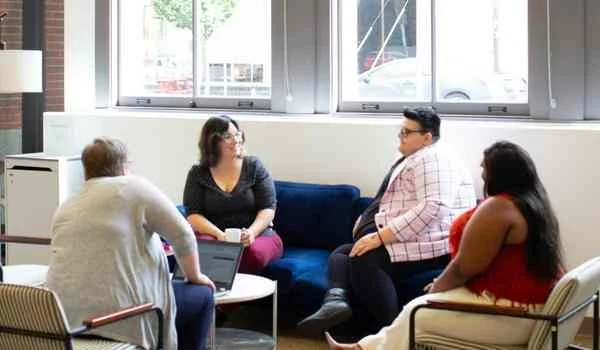
Your best people stop leaving
Turnover isn't inevitable. It's the result of an environment not quite working.
Most workplaces were built around one way of thinking and working, not maliciously, it was just the default and we haven’t caught up.
When structures, processes, and culture are designed with flexibility to accommodate different brains, you catch the friction points before they become a resignation letter, a WorkCover claim, or a Glassdoor review.
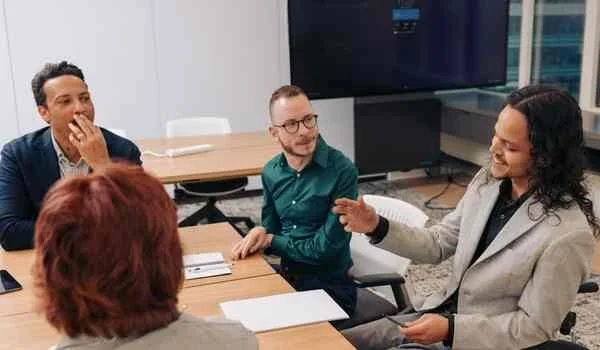
Your organisation gets smarter
Diverse thinking doesn't eventuate if the environment dilutes it down first.
The business case for cognitive diversity is real, but it only works if people feel as though it is genuinely welcome. We’re talking about belonging, When the environment stops demanding uniform ways to communicate, process, and perform the same way, you get higher performing teams, better decisions, faster problem-solving, and ideas your competitors don't have.
Neuroinclusion consulting for HR, health and safety teams and people leaders across Australia and New Zealand.
We help mid-to-large organisations find where workplace systems are already costing them talent, trust and psychological safety, then redesign those systems so more people can do their best work. Not just learn to mask better.
Most psychosocial risk assessments miss cognitive, and sensory hazards because they're designed for neurotypical brains
We identify the factors eroding psychological safety, then give you pragmatic frameworks that work for different brains.
Our audits, trainings and frameworks are organisation-specific and approachable, not abstract and theoretical.

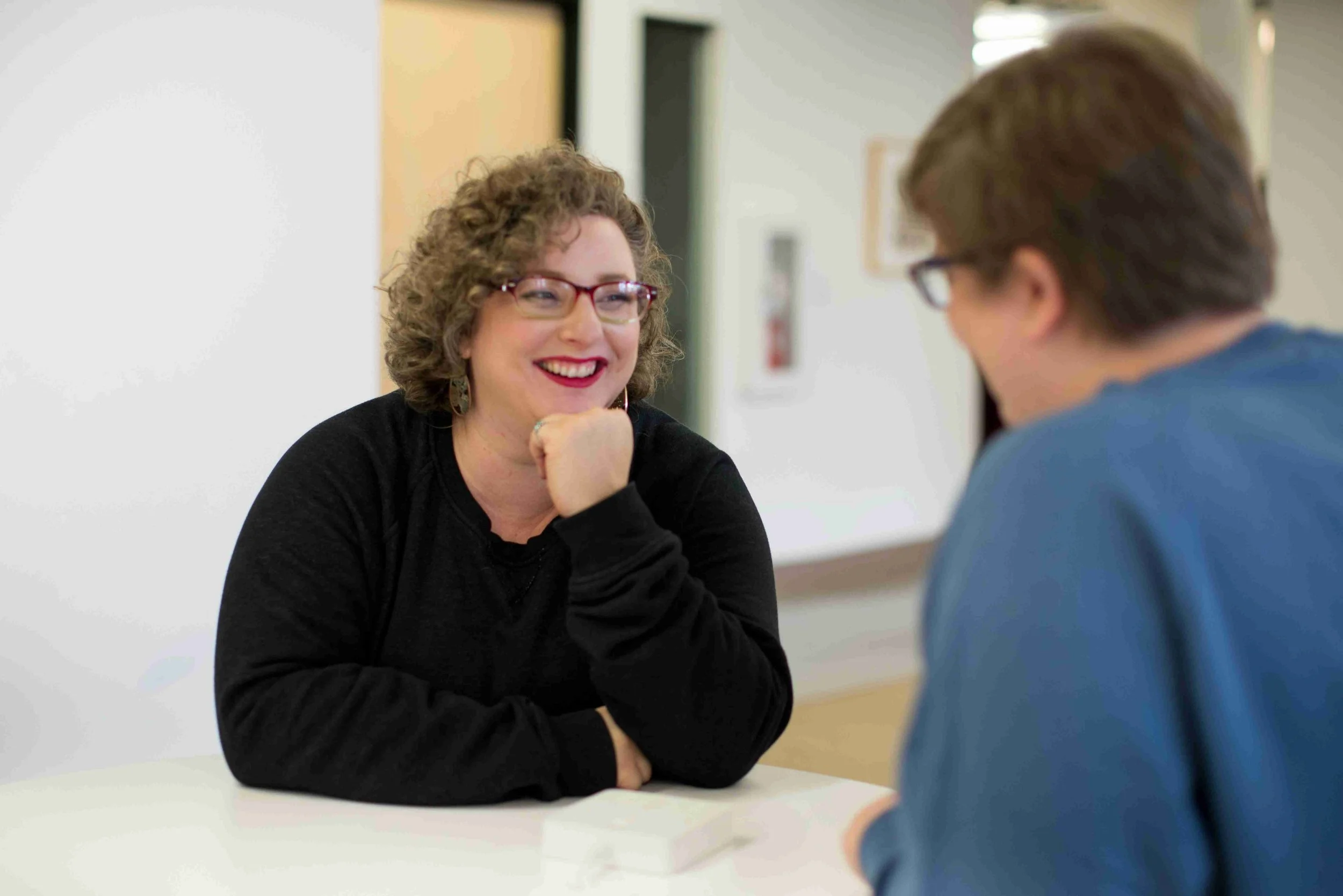
We’ll help you attract, support, and retain
neurodivergent talent as a strategic advantage
We’ll help you attract, support, and retain
neurodivergent talent as a strategic advantage
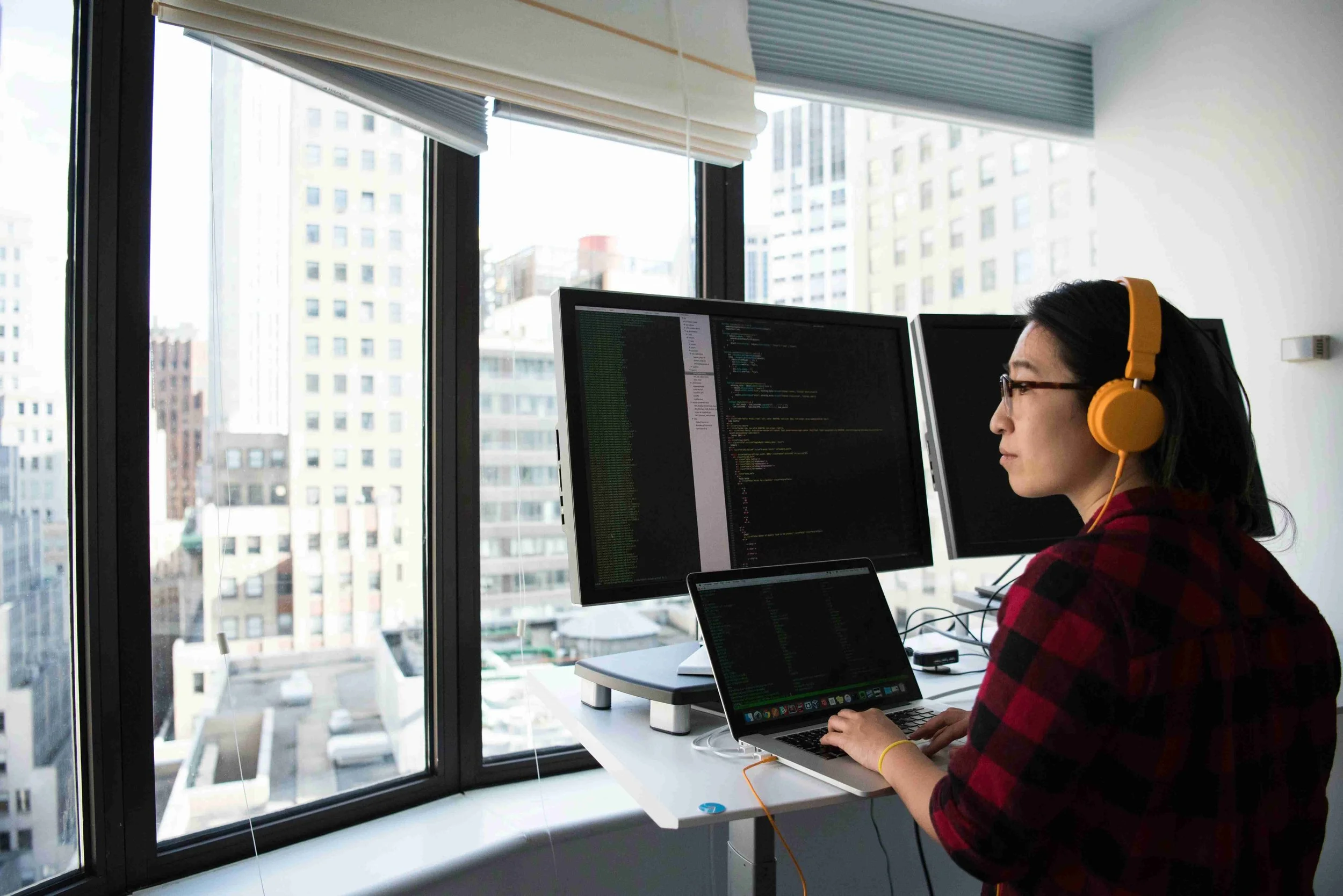
We’re passionate about transforming your blind spots into psychologically safe and strength-based systems for sharp minds to thrive
We’re passionate about transforming your blind spots into psychologically safe and strength-based systems for sharp minds to thrive
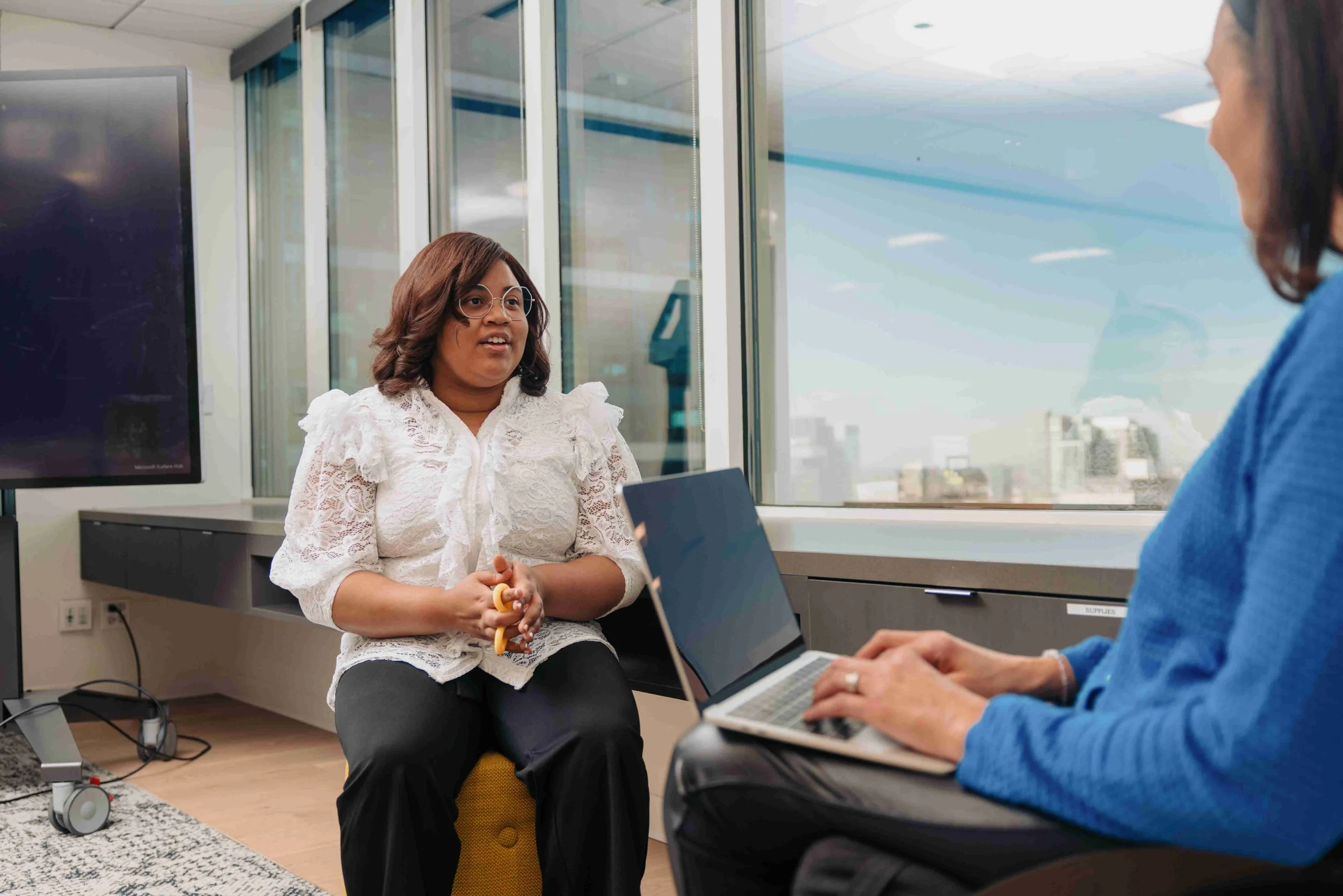
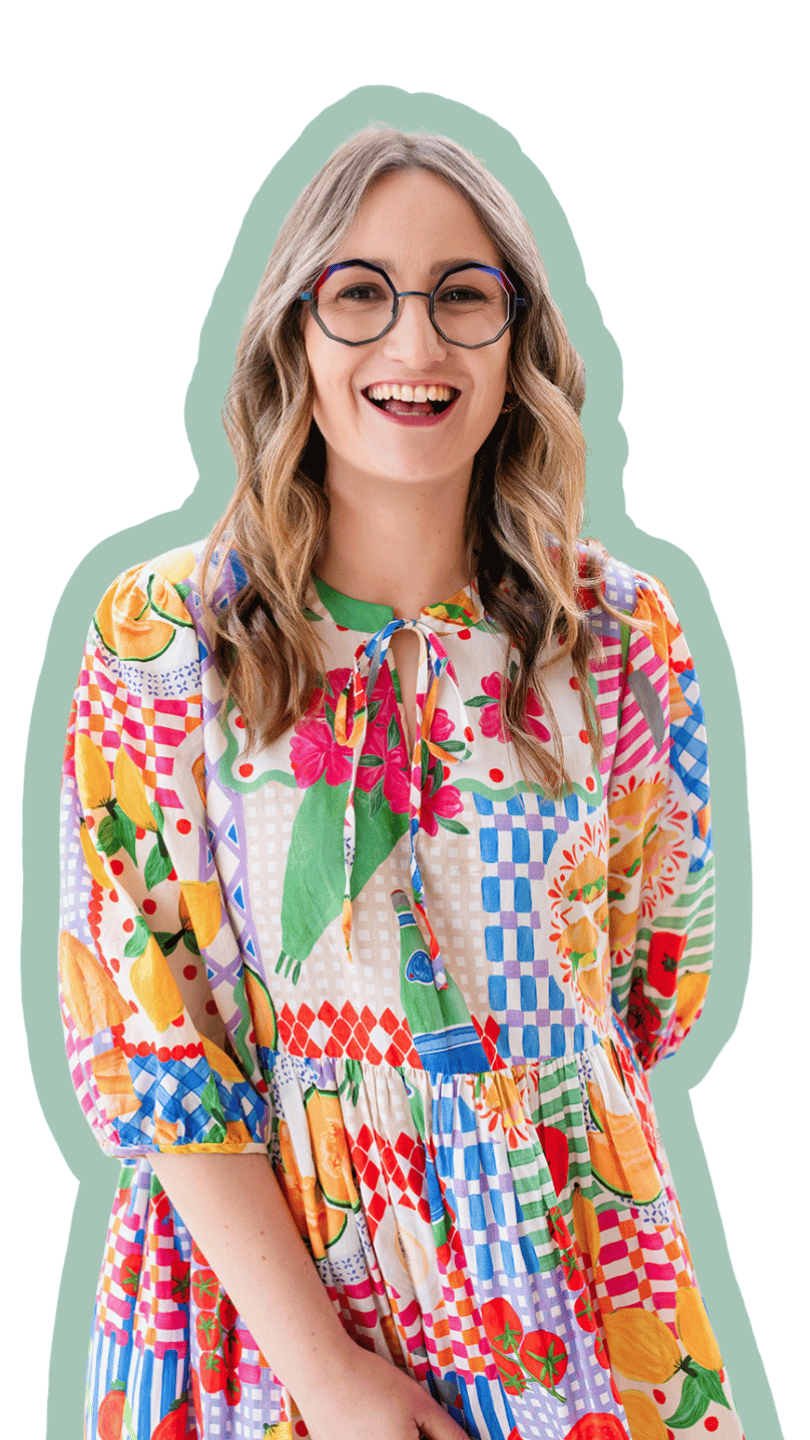
About Liani
Oh hello! It’s great to see you here. I’m Liani, I’m an autistic ADHDer and I founded The Spiky Bureau.
I kept watching organisations (unknowingly) repeat the same mistakes. Not trying to be hostile, but not seeing the lost opportunity in not trying to do anything different to accommodate neurodivergent folks.
Neurodivergent people were bearing the cost of that knowledge gap and I knew I could help close it.
On what grounds? The professional expertise, extensive academic research, the good, bad and ugly lived experience and a whole lot of ‘how hard can it be’ mindset.